Selling your home in Henrico can feel smooth one day and stressful the next, especially once appraisal and inspection deadlines get close. If you are wondering what buyers, lenders, and inspectors will notice, you are not alone. The good news is that a little preparation can help you avoid surprises, protect your timeline, and feel more confident from contract to closing. Let’s dive in.
Why appraisal and inspection matter
An appraisal and a home inspection are not the same thing, and each one answers a different question. An appraisal is an independent opinion of value based on the home’s condition, characteristics, location, market trends, and recent sales of similar properties. A home inspection is a non-invasive, visual review of accessible areas and systems.
For you as a seller, both steps matter because they can affect whether the sale stays on track. A low appraisal can lead to renegotiation, a larger buyer down payment, or even a canceled deal depending on the contract and financing. An inspection that uncovers major issues can lead to repair requests, credits, or lender-required repairs before closing.
What a Virginia home inspector reviews
In Virginia, a home inspection typically includes a written evaluation of readily accessible parts of the property. That usually covers heating, cooling, plumbing, electrical, structural components, the foundation, roof, masonry, and interior and exterior components. Inspectors also commonly review the attic, insulation, basement, and visible interior areas.
That last phrase, readily accessible, is important. A standard inspection is limited to areas the inspector can reach and see without moving major obstructions or taking things apart. That is why simple access prep can make a real difference.
Focus on access first
One of the easiest ways to prepare your Henrico home is to make important areas easy to reach. If an inspector cannot access a space, that may create delays, unanswered questions, or follow-up visits. Making the home easy to inspect helps keep the process cleaner and more efficient.
Before the inspection, clear access to:
- Attics
- Crawl spaces
- Water heaters
- HVAC equipment
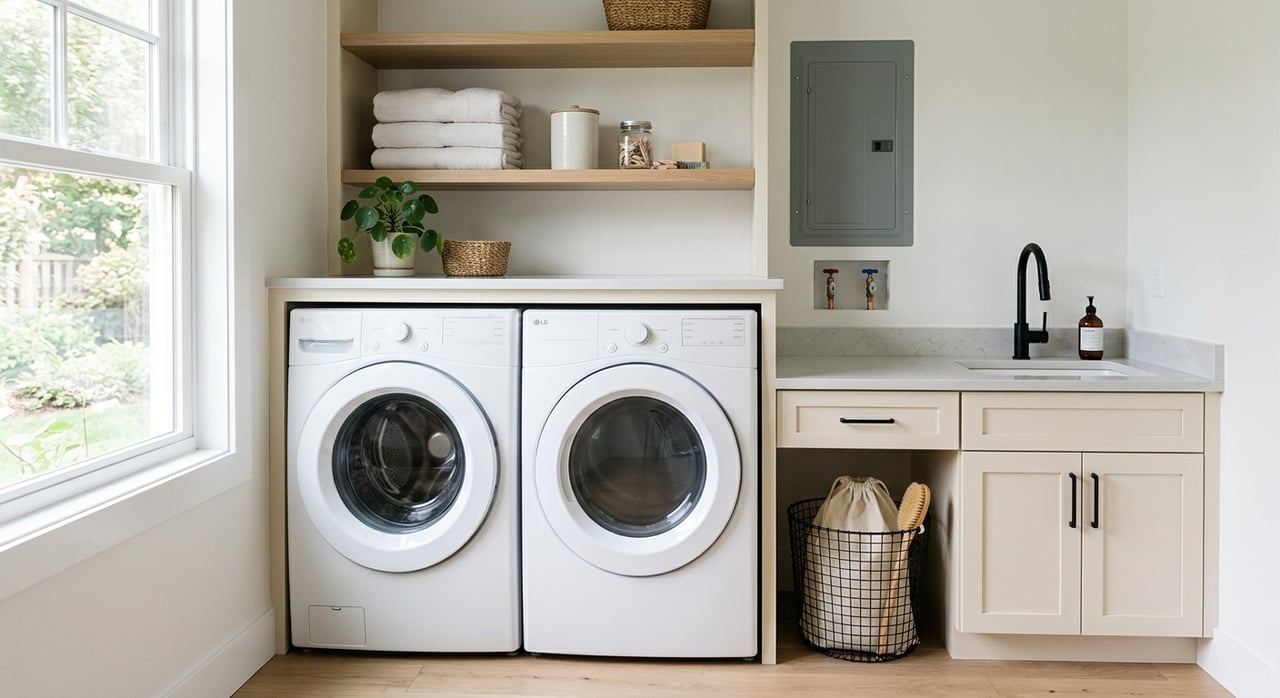
- Electrical panels
- Under-sink plumbing
- Garage walls and utility areas
Try to remove storage bins, stacked boxes, and furniture that block key systems. If you have pets, make a plan to secure them so appointments can move forward safely and smoothly.
Fix obvious condition issues
When sellers get ready for the market, it is easy to focus on decorating touches. Clean presentation still matters, but appraisal and inspection outcomes are usually affected more by condition, maintenance, and visible defects than by décor alone. If your goal is to reduce surprises, start with the issues that stand out.
Pay close attention to items like active leaks, roof damage, drainage concerns, loose railings, and systems that do not work as intended. These are the kinds of problems that tend to draw attention during an inspection and can also influence how the property’s condition is viewed during appraisal.
A practical pre-listing checklist may include:
- Repairing active plumbing leaks
- Replacing damaged or missing roofing materials
- Securing loose handrails or deck rails
- Addressing standing water or poor drainage near the home
- Checking that heating and cooling systems are operating properly
- Testing doors, windows, fixtures, and built-in systems for normal function
Do not overlook small safety items
Some items may seem minor, but in Henrico they can still connect to permit-related work if they were repaired or replaced as part of a larger project. County guidance lists items such as hard-wired smoke alarms or detectors, electric water heaters, heat pumps, dishwashers, sinks, toilets, and other fixtures connected to electrical, mechanical, gas, or plumbing systems.
That does not mean every small issue will derail a sale. It does mean you should take safety-related items seriously and be ready to answer questions about work that was done. If you replaced or upgraded something tied to one of those systems, your paperwork may matter.
Gather your records before listing
A well-prepared seller does more than clean and declutter. You should also collect records that help support the home’s condition and the work completed over time. This can make buyer questions easier to answer and reduce stress once you are under contract.
Helpful records to gather include:
- Permits
- Final approvals
- Contractor invoices
- Warranties
- Service records
- Receipts for major repairs or replacements
Henrico requires permits for many residential projects, including many structural changes and a range of electrical, plumbing, mechanical, roofing, deck, smoke alarm, water heater, and HVAC-related installations or replacements. If you are unsure whether past work required a permit, that is worth reviewing early rather than waiting for a buyer to ask.
Understand Virginia disclosure rules
Virginia follows a buyer-beware framework for residential sales. The standard disclosure statement says that the owner makes no representations or warranties about the property’s condition and advises buyers to do their own due diligence, including getting a home inspection.
Even so, there are still specific disclosure duties. If you have actual knowledge of pending building code enforcement actions or unresolved zoning violations that affect safe, decent, and sanitary living conditions, Virginia law requires written disclosure of that fact. This is one reason good records and honest communication matter so much.
Be ready for Henrico-specific questions
Some homes bring up location-specific questions during the sale process. In Virginia, buyers are directed to do their own due diligence on issues such as flood-hazard areas, septic or wastewater systems, historic districts, and resource protection areas, among other topics.
For a Henrico seller, the key is simple: if any of those issues apply to your property, gather the records you have before your home goes live. Being organized does not just help buyers. It also helps your transaction feel more controlled and less reactive.
Use licensed professionals for repairs
If a pre-listing walkthrough or buyer inspection uncovers trade-specific issues, it is smart to bring in the right professional. In Virginia, businesses doing construction, repair, removal, or improvement work are licensed through the Virginia Board for Contractors. The state also provides a way to verify professional licenses issued by DPOR.
This matters most for larger repairs involving electrical, plumbing, or HVAC systems. If the issue affects safety, function, or permit requirements, using a properly licensed contractor can help you avoid bigger problems later.
Check permits before starting work
In Henrico, many repairs and replacements are not treated as simple cosmetic work. County rules identify a range of permit-related items, including replacement air-conditioning systems, furnaces, water heaters, chimneys, fireplaces, certain roof sheathing work, deck repairs involving structural members or rails, and many permanently connected fixtures.
If you are rushing to fix something before listing or after an inspection response, pause long enough to confirm whether a permit is required. Cutting corners can create more questions during closing, not fewer.
Consider a pre-listing inspection
In some situations, a pre-listing inspection can help you find issues before a buyer does. That can give you more time to plan repairs, gather estimates, or decide what makes sense to address before the home hits the market. It can also make the listing process feel less rushed once you are under contract.
If you choose this route, make sure the inspection is done by a licensed Virginia home inspector. Virginia law requires compensation-based home inspections to be performed by a licensed home inspector.
A simple prep plan for Henrico sellers
If you want a clear path forward, keep your prep focused on value, condition, and documentation. Appraisal prep is mostly about how the home’s condition and features compare with the market. Inspection prep is mostly about access, function, and visible issues.
A smart seller game plan looks like this:
- Clear access to all major systems and utility areas.
- Fix obvious defects and maintenance concerns.
- Gather permits, approvals, warranties, and service records.
- Review whether past or planned repairs involve county permit rules.
- Use licensed professionals for trade-specific work.
- Be ready with records if local property issues apply.
When you prepare this way, you give yourself a better chance at a smoother contract-to-close experience. You also make it easier for buyers, inspectors, appraisers, and lenders to do their part without unnecessary surprises.
If you are getting ready to sell in Henrico and want practical guidance before you list, Garner Realty LLC can help you plan the right next steps with a local, service-first approach.
FAQs
What is the difference between a home appraisal and a home inspection in Henrico?
- An appraisal gives an independent opinion of value based on the home, location, market trends, and comparable sales, while a home inspection is a visual review of accessible systems and components.
What areas does a Virginia home inspector usually check?
- A Virginia home inspector typically evaluates readily accessible heating, cooling, plumbing, electrical, structural components, foundation, roof, masonry, and interior and exterior components.
What should Henrico sellers do before a home inspection?
- Henrico sellers should clear access to major systems and spaces, fix obvious defects, secure pets, and gather records for repairs, maintenance, and permits.
Do Henrico home repairs ever require permits?
- Yes, Henrico requires permits for many residential repair and replacement projects, including certain work involving HVAC systems, water heaters, roofs, decks, smoke alarms, and permanently connected fixtures.
Should a seller get a pre-listing inspection in Virginia?
- A pre-listing inspection can help you identify issues early, and if you choose one, it should be performed by a licensed Virginia home inspector.
What records should a Henrico seller gather before listing?
- You should gather permits, final approvals, warranties, service records, receipts, and contractor invoices for major work completed on the property.