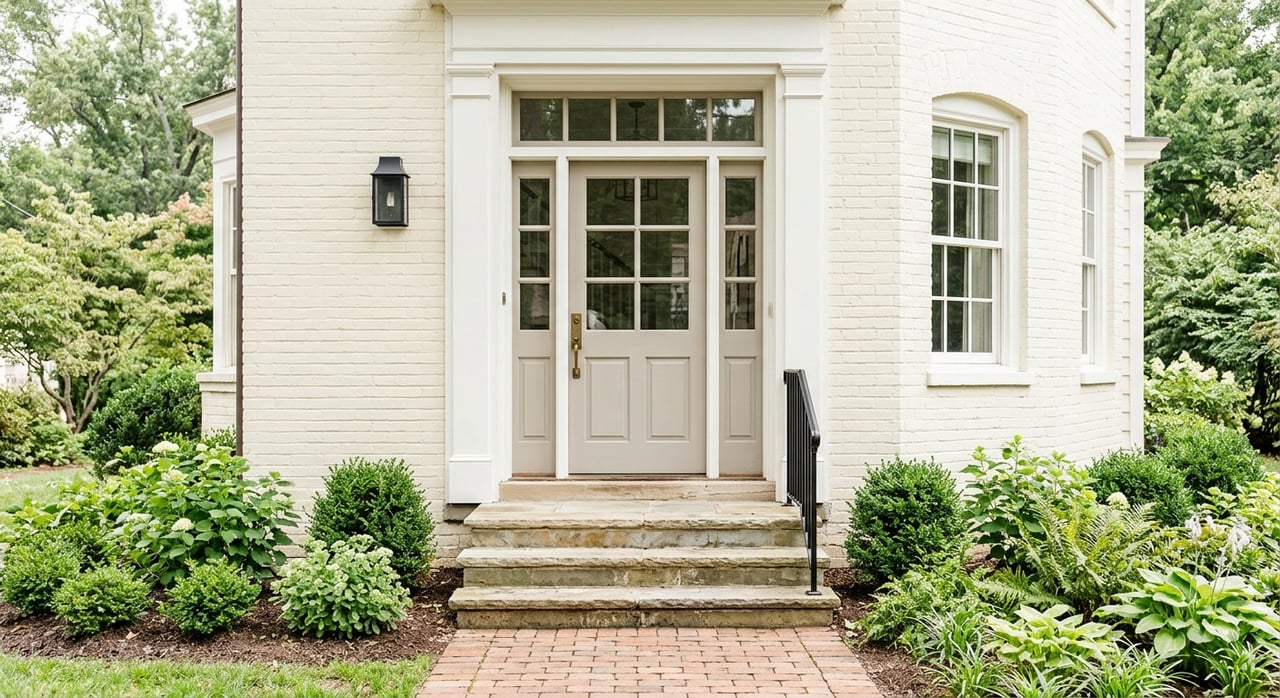
Buying an older home in Richmond can feel like choosing between charm and certainty. You may love the porches, brick facades, and historic details that give many city homes their personality, but you also want to avoid surprise costs and long project timelines. If you are trying to decide between a home you can move into right away and one that needs work, this guide will help you weigh the tradeoffs in a practical way. Let’s dive in.
Why older homes matter in Richmond
Older housing is a big part of Richmond’s market, not a small niche. City data shows Richmond has 111,524 housing units, and the city’s emergency planning data identifies 30,412 housing units built in 1939 or earlier. That means many buyers will naturally come across older homes as they search.
This is especially true in well-known historic areas. The Fan Area Historic District includes nearly 100 blocks and more than 2,000 buildings, while the Museum District, also known as the West of the Boulevard Historic District, includes about 69 blocks and more than 1,700 contributing buildings. In Church Hill, historic districts include mostly 19th-century homes and many one- and two-story dwellings built between 1880 and 1900.
If you are drawn to Richmond’s older neighborhoods, you are not alone. These homes often offer location, architecture, and character that newer properties cannot easily match. Still, the right choice depends on how much time, flexibility, and budget you want to dedicate after closing.
Renovation vs move-in-ready basics
At the highest level, this decision often comes down to character versus predictability. A move-in-ready home usually offers a faster path to settling in and fewer immediate project decisions. A renovation opportunity may give you more original details and the chance to shape the home around your needs, but it can also bring more risk.
In Richmond, that gap can be even wider because some older homes sit within local historic districts. If a property is in one of Richmond’s City Old and Historic Districts, exterior changes may need review by the Commission of Architectural Review. That can affect both project timing and what work is approved.
Not every older home has the same rules, though. Richmond notes that National Register and Virginia Landmarks Register listings do not automatically create city review requirements by themselves. In other words, two homes with similar age and style may come with very different renovation paths depending on district status.
When move-in-ready may make more sense
A move-in-ready older home can be a smart fit if you want to reduce unknowns. You may pay more upfront, but you could gain a smoother move, fewer contractor decisions, and less risk of uncovering major issues right away.
This option may be worth a closer look if you:
- Need to move quickly after closing
- Want more predictable near-term costs
- Prefer to avoid major exterior review or permitting questions
- Do not have time to manage multiple contractors and specialty inspections
- Want the charm of an older Richmond home without starting a large project
For many first-time buyers, this path feels less overwhelming. It can also work well if your budget has less room for surprise repairs, testing, or phased upgrades.
When a renovation opportunity may be worth it
A home that needs work can make sense if you value location and historic character enough to take on added complexity. In Richmond, that often means balancing the appeal of original architecture with the reality of inspections, approvals, and specialized repairs.
A renovation-minded purchase may fit if you:
- Want a specific neighborhood where updated inventory is limited
- Are comfortable with a longer timeline before everything feels finished
- Have funds set aside for repairs and hidden conditions
- Are prepared to verify local historic review needs early
- Appreciate the long-term value of preserving original features where possible
For the right buyer, this route can be rewarding. You may end up with a home that reflects your style while keeping the details that made you fall in love with it in the first place.
Historic districts can change the math
In Richmond, historic district status is one of the biggest factors in the renovate-or-not decision. The city’s preservation system includes thousands of properties under local historic-district jurisdiction, and the Commission of Architectural Review reviews exterior changes in those districts.
That matters because exterior work is often a major part of owning an older home. Porch restoration, facade repairs, and window work can become meaningful budget items, especially in neighborhoods known for visible architectural details and tightly spaced homes.
Before you buy, it helps to answer a few key questions:
- Is the home in a City Old and Historic District?
- Will the exterior work you want require a Certificate of Appropriateness?
- Could review timelines affect your renovation schedule?
- Are your desired changes likely to involve materials or design details that need closer review?
If you want speed and simplicity, these added steps may push you toward a move-in-ready option. If you care most about location and long-term character, you may decide the extra planning is worth it.
Common issues in older Richmond homes
Even beautifully maintained older homes can come with systems or materials that deserve a closer look. A general home inspection is important, but it is often not enough on its own when you are buying an older property.
Lead-based paint risks
If a home was built before 1978, it is more likely to contain lead-based paint. EPA guidance highlights common areas such as windows, doors, stairs, railings, banisters, and porches.
If paint is damaged, or if a renovation will disturb painted surfaces, you should plan for certified lead professionals and lead-safe work practices. This is a key issue for both safety and renovation planning.
Asbestos concerns
Asbestos is another issue that may come up in older homes. EPA says the only way to know whether a material contains asbestos is testing by a qualified laboratory.
This becomes especially important if materials are damaged or if a remodel could disturb them. If asbestos may be present, accredited professionals should handle inspection or removal.
Plumbing and water line questions
Older neighborhoods can still have lead service lines even when interior plumbing fixtures have been updated. EPA advises homeowners to contact their water utility or a licensed plumber to determine whether the pipe from the home to the main is lead.
This is easy to overlook during a showing, but it can have a real impact on your renovation scope and future maintenance planning. It is one more reason to investigate older systems carefully before closing.
Energy comfort and efficiency
Older homes can have a lot of charm, but comfort and efficiency may not match what you expect in a newer house. ENERGY STAR recommends starting with air sealing and insulation, then looking at duct sealing, HVAC improvements, water heating, lighting, appliances, and windows when needed.
A home energy assessment can help you prioritize what matters most. If you are comparing an updated property with a fixer-upper, these costs can meaningfully affect the true price difference between the two.
How to inspect an older Richmond home
If you are serious about an older home, think beyond the standard inspection checklist. The safest approach is to match the inspection process to the age, condition, and renovation plan for the property.
A strong due diligence plan may include:
- A general home inspection
- Lead evaluation if the home is pre-1978, especially if paint is damaged
- Asbestos evaluation if older materials are damaged or likely to be disturbed
- Early confirmation of historic-district status and exterior review requirements
- Follow-up review by licensed specialists when the general inspection raises concerns
This extra work can save you from making a decision based only on surface appearance. A home that looks manageable at first glance may involve far more time and money once testing and approvals begin.
Budget for more than the purchase price
With older homes, your real budget should include more than your offer and closing costs. In Richmond, the total cost picture may also include specialist inspections, historic review, exterior restoration, system updates, and longer project timelines.
That does not mean you should avoid renovation. It simply means you should price the project honestly from the start. A lower purchase price can lose its appeal quickly if the home needs major exterior work, energy upgrades, or testing before renovation can begin.
A tax credit may help some buyers
For certain certified historic structures, Virginia offers a Historic Rehabilitation Credit equal to 25% of eligible expenses. According to Virginia Tax, the structure must be a certified historic structure, and the rehab cost must generally equal at least 50% of the pre-rehab assessed value, or 25% if the owner lives in the structure.
There are important limits. Virginia Tax notes that most enlargements and additions do not qualify, and the Virginia Department of Historic Resources says the program is available for owner-occupied and income-producing buildings. If a tax-credit strategy is part of your plan, it is important to confirm eligibility early.
Choosing the right professionals matters
Older-home purchases usually go more smoothly when you work with professionals who understand old-house conditions and Richmond’s local review process. That includes inspectors, contractors, and trades who are familiar with lead-safe practices, older materials, and historic-district expectations.
This is not just about convenience. It can affect compliance, timelines, and the quality of the finished work. If you buy a renovation project, the right team can help you avoid expensive missteps.
Which option is right for you?
If you need speed, predictability, and fewer unknowns, a move-in-ready home may be the better fit. If you are willing to trade convenience for character, location, and the chance to shape the finished product, an older Richmond home in need of work may still be the right move.
The key is to look past listing photos and ask better questions early. In Richmond, the smartest choice is usually the one that matches your timeline, your risk tolerance, and your willingness to navigate inspections, upgrades, and possible historic review.
If you want help comparing older homes, updated properties, or renovation-minded opportunities in Richmond, Garner Realty LLC is here to guide you with clear advice, local insight, and patient support every step of the way.
FAQs
Should you buy a fixer-upper in Richmond?
- A fixer-upper in Richmond may be a good fit if you have budget room for repairs, time for a longer project, and a clear understanding of possible historic-district review, testing, and upgrade costs.
What should you inspect in an older Richmond home?
- For an older Richmond home, you should consider a general inspection plus lead or asbestos evaluations when the home is pre-1978, materials are damaged, or planned renovations could disturb them.
Do Richmond historic districts affect home renovations?
- Yes, homes in Richmond’s City Old and Historic Districts may need exterior changes reviewed by the Commission of Architectural Review, which can affect project timing and scope.
Are all older Richmond homes subject to historic review?
- No, Richmond says National Register and Virginia Landmarks Register listings do not automatically create city review requirements by themselves, so district location matters.
Can Virginia tax credits help with a historic Richmond renovation?
- In some cases, yes. Virginia’s Historic Rehabilitation Credit equals 25% of eligible expenses for certified historic structures that meet program rules.