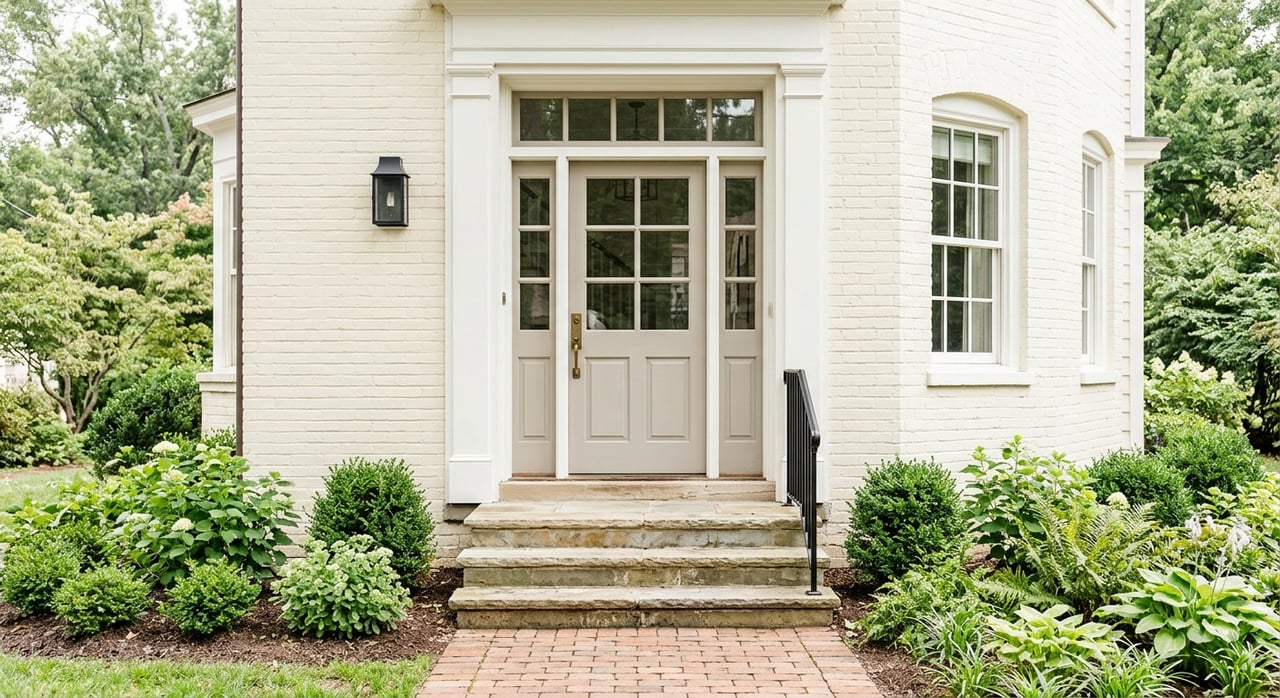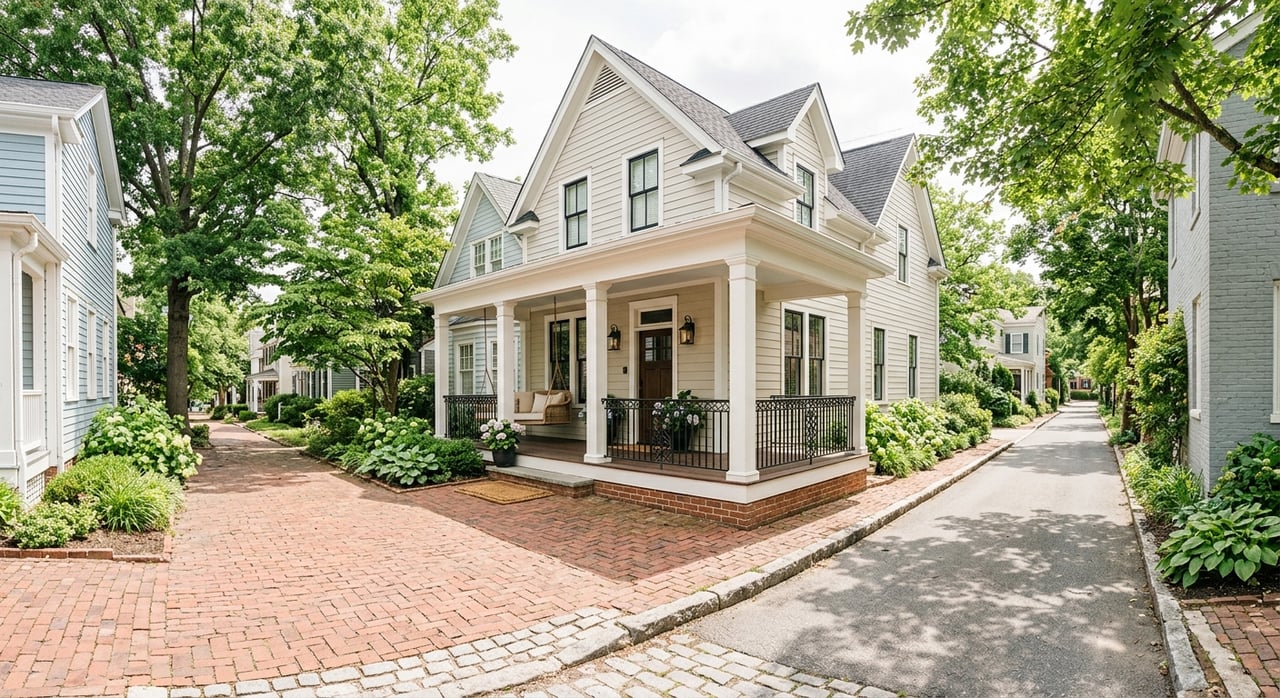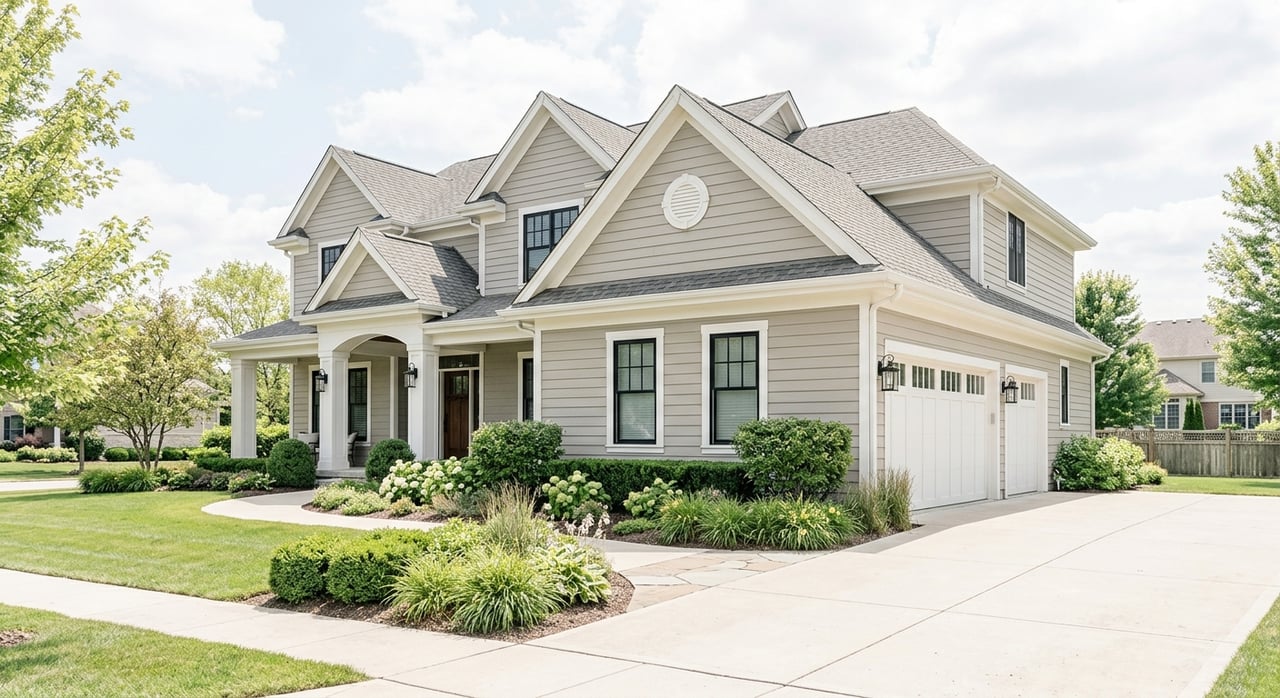
Thinking about buying a brand-new home in Midlothian? It can feel exciting to pick finishes, watch progress, and imagine moving into a home no one has lived in before. It can also get confusing fast once you start sorting through builder contracts, deposits, inspections, road plans, and warranty details. This guide will help you understand what to expect when buying new construction in Midlothian so you can move forward with more clarity and confidence. Let’s dive in.
Why Midlothian New Construction Feels Different
New construction in Midlothian is shaped by more than just home design. In Chesterfield County, major roadway corridors play a big role in how residential communities grow and connect. That means your experience can depend as much on the area’s future transportation and land-use plans as it does on the builder’s model home.
Chesterfield uses special area plans and corridor studies to guide development in places with distinct needs. In the Midlothian area, these plans can influence roads, bike and pedestrian facilities, utility extensions, park improvements, and design standards. For you as a buyer, that makes location research especially important before you commit to a new-build community.
What Types of New Homes You May See
Midlothian new construction is not one-size-fits-all. Depending on the corridor and plan area, you may find small-lot single-family homes, cluster lots, townhomes, duplexes, triplexes, carriage houses, accessory dwelling units, or mixed-use residential spaces above commercial uses.
Chesterfield’s long-range land-use guidance shows that the county’s housing stock is still largely made up of single-family detached homes and townhomes. That helps explain why many new communities in the Midlothian area still follow a more traditional subdivision pattern instead of a dense urban format.
Why the Corridor Matters
A subdivision name only tells part of the story. The corridor around the community often gives you better clues about what could change over time, how traffic may evolve, and what future infrastructure may support the area.
Route 60 and Midlothian Turnpike
Along Route 60, county planning guidance ties current recommendations to the Midlothian Community Special Area Plan. The county also emphasizes preserving historic character in parts of the corridor while encouraging pedestrian-friendly, high-quality development in the village core.
If you are looking near this corridor, it helps to ask how close the home is to planned improvements and what stage of development the surrounding area is in. Even homes in the same general part of Midlothian can have very different long-term surroundings.
Route 360, Otterdale, Woolridge, and 288
In southwest Chesterfield, planning guidance points to ongoing transportation investment as development continues. The Route 360 and Otterdale Road node may support community mixed-use development, and projects like the Woolridge Road extension reflect the area’s continuing growth.
For buyers, this can mean more housing options and evolving access patterns. It is smart to look beyond the current streetscape and ask what transportation changes may affect your daily routine later.
Genito Road and Route 288
Around Genito Road and Route 288, Chesterfield has studied future land-use changes, possible interchange concepts, and more pedestrian-accessible development near the sportsplex and nearby nodes. If you are considering new construction here, pay attention to future planning documents and how early or late your chosen phase is within the larger community.
What the New Construction Process Usually Looks Like
Buying a new home often follows a different path than buying a resale home. The timeline can be longer, the paperwork can be builder-specific, and some decisions happen before the home is fully complete.
In many cases, if the home is not yet built, the builder will ask for an upfront deposit, often called earnest money. Before you sign anything, ask under what conditions that deposit can be returned and which situations could cause you to lose it.
You also do not have to use the builder’s preferred lender. That is an important point for buyers who want to compare financing options and closing costs carefully.
Why Buyer Representation Still Matters
When you walk into a model home, the sales process can feel polished and simple. But you should still be clear about who represents whom in the transaction.
Real estate agents may represent the buyer, the seller, or sometimes both. In a new-construction purchase, having buyer representation can be especially helpful when you are reviewing contract terms, tracking deadlines, coordinating with lenders and settlement providers, and staying on top of the build timeline.
For many first-time buyers, this support can make the process feel much less overwhelming. A steady advocate can help you ask better questions before small issues turn into expensive ones.
Permits, Inspections, and the Certificate of Occupancy
A new home in Chesterfield cannot be built without the required permit process. The county’s residential inspection sequence commonly includes footing, foundation, framing, insulation, final building, and related inspections before a Certificate of Occupancy is issued.
That matters because county inspections are part of the legal build process, but they are not the same as your own independent home inspection. County inspections focus on code compliance, while your inspector works for you and reviews the home from a buyer’s perspective.
Why You Should Still Get an Independent Inspection
It is easy to assume a brand-new home should not need an inspection. In reality, an independent inspection is still one of the most important steps you can take.
Consumer guidance recommends scheduling your own inspection as early as possible so there is time to address concerns. Even with county inspections in place, a buyer-paid inspector can help spot issues that deserve follow-up before closing or before your builder’s punch list is finalized.
If possible, ask about the timing for inspections during construction and near completion. The earlier you understand the builder’s process, the easier it is to plan your own due diligence.
Virginia Disclosure Rules and What They Mean for You
Virginia follows a buyer-beware approach in important ways. Under the Residential Property Disclosure Act, owners generally make no representations or warranties about a property’s condition, and buyers are expected to do their own due diligence, including getting a home inspection.
For new dwellings, builders must disclose in writing any known material defects that would violate the building code. That written disclosure requirement helps, but it does not replace your need to review documents carefully and keep copies of everything you receive.
What to Know About New-Home Warranties in Virginia
Virginia law provides an implied warranty on qualifying new dwellings that generally lasts one year from transfer of record title or possession. There is also a five-year warranty for the foundation.
If you believe you have a warranty claim, Virginia law requires written notice and gives the vendor a reasonable chance to cure the issue. It is also important to read the contract closely because any waiver or “as is” language must be conspicuous and specific.
This is one reason document storage matters so much in a new-construction purchase. Save your contract, change orders, warranty information, inspection reports, and builder disclosures in one place from day one.
Midlothian Soil, Drainage, and Radon Considerations
Some practical issues in Chesterfield deserve extra attention during a new-construction purchase. The county is enforcing the 2021 Virginia code edition, and some projects require engineered soils reports because parts of Chesterfield fall within the Triassic Basin, where shrink-swell soil can affect foundations.
County guidance also calls for drainage and waterproofing inspections before backfilling foundations in certain conditions. If you are buying in an area where these issues may matter, ask what site-specific steps were required and completed.
Radon is another item to keep on your checklist. Virginia health guidance notes that radon is odorless and colorless, and even if a builder installs radon-resistant construction features, you should still test the home after move-in to confirm performance.
A Smart Midlothian New Construction Checklist
If you want a practical way to stay organized, focus on the items that have the biggest impact on your experience:
- Confirm the corridor and ask about future road or infrastructure plans
- Read the builder contract carefully, especially deposit and warranty terms
- Ask who each party represents in the transaction
- Compare lender and settlement options instead of assuming you must use the builder’s preferred providers
- Schedule an independent home inspection
- Verify the permit and Certificate of Occupancy pathway
- Save all disclosures, inspection reports, warranty documents, and change orders
- Plan to test for radon after move-in
Final Thoughts on Buying New Construction in Midlothian
Buying new construction in Midlothian can be a great fit if you want modern layouts, newer systems, and the chance to buy into a growing part of Chesterfield County. The key is knowing that a new-build purchase is about more than finishes and upgrades. You also need to understand the corridor, the contract, the inspection process, and your warranty rights.
When you have the right guidance, the process feels far more manageable. If you are exploring new construction in Midlothian and want patient, local support from a team that will help you think through each step, connect with Garner Realty LLC.
FAQs
What should you ask before buying new construction in Midlothian?
- Ask about the community’s corridor location, future road plans, deposit terms, inspection timing, warranty language, and the path to Certificate of Occupancy.
Do you need a home inspection for a new construction home in Chesterfield County?
- Yes. County inspections are part of the permit process, but they are not a substitute for an independent home inspection that works in your interest as the buyer.
What warranty protections apply to a new home in Virginia?
- For qualifying new dwellings, Virginia law generally provides a one-year implied warranty from transfer of record title or possession and a five-year warranty for the foundation.
Can you choose your own lender when buying from a builder in Midlothian?
- Yes. You do not have to use the builder’s preferred lender, so it is wise to compare your financing options carefully.
Why do Midlothian corridor plans matter for new construction buyers?
- Corridor plans can affect roads, pedestrian access, utilities, nearby development patterns, and the long-term feel of the area around your new home.