If you want top dollar for your Chester home, listing it "as is" and hoping for the best usually is not enough. In Chesterfield County, homes are still moving in about a month and often close near asking price, which means buyers are paying attention to condition, presentation, and value. The good news is that you do not need a massive remodel to make a strong impression. You need a smart plan that fits your home, your neighborhood, and your timeline. Let’s dive in.
Why prep matters in Chester
Chesterfield County remains a seller-leaning market, but it is not so overheated that buyers will overlook obvious flaws. Recent market snapshots show low inventory, with HUD reporting about 1.9 months of supply, while other sources place homes on the market for roughly 25 to 30 days and selling around asking price.
That creates an important middle ground for sellers. If your home is priced well and shows well, you can still attract serious attention quickly. If it looks tired, cluttered, or poorly maintained, buyers may hesitate or compare it more critically against better-prepared listings.
Start with the right goal
Preparing for top dollar is different from preparing just to get sold. Your goal is not to renovate every room or chase every trend. Your goal is to make buyers feel that your home is clean, cared for, and easy to say yes to.
In most cases, that means focusing on the items buyers notice first. Think curb appeal, visible maintenance, clean finishes, bright living spaces, and a layout that feels open and easy to picture as their own.
Declutter and stage first
Before you price out upgrades, start with the basics. The 2025 staging report found that 83% of buyers’ agents said staging makes it easier for buyers to visualize a property as a future home.
That matters because buyers often form their opinion in the first few minutes. If rooms feel crowded, dark, or overly personal, they may focus on distractions instead of the home itself.
Focus on the most important rooms
The most commonly staged spaces are the living room, primary bedroom, and dining room. Those rooms tend to carry the most visual weight in photos and showings, so they are a smart place to begin.
A simple prep plan may include:
- Removing extra furniture to make rooms feel larger
- Packing away personal photos and highly specific decor
- Clearing kitchen and bathroom counters
- Using light, neutral bedding and simple accents
- Opening blinds and curtains to maximize natural light
- Organizing closets so storage feels more generous
You do not need to make your home look empty. You want it to feel calm, clean, and easy for buyers to imagine living in.
Fix the small things buyers notice
Many sellers lose momentum by ignoring minor issues that signal bigger problems. A dripping faucet, loose handrail, chipped trim, or stained caulk may seem small to you, but buyers often read those details as deferred maintenance.
A pre-list walk-through should focus on anything that looks broken, worn, or unfinished. These lower-cost fixes can help your home feel move-in ready without requiring a full renovation.
Prioritize visible repairs
Pay close attention to:
- Scuffed walls and peeling paint
- Loose cabinet hardware
- Burned-out light bulbs
- Cracked switch plates
- Damaged screens
- Sticky doors or windows
- Worn weatherstripping
- Missing grout or caulk
- Leaky faucets or running toilets
These details affect buyer confidence. When the basics look handled, the whole home tends to feel better maintained.
Put curb appeal near the top
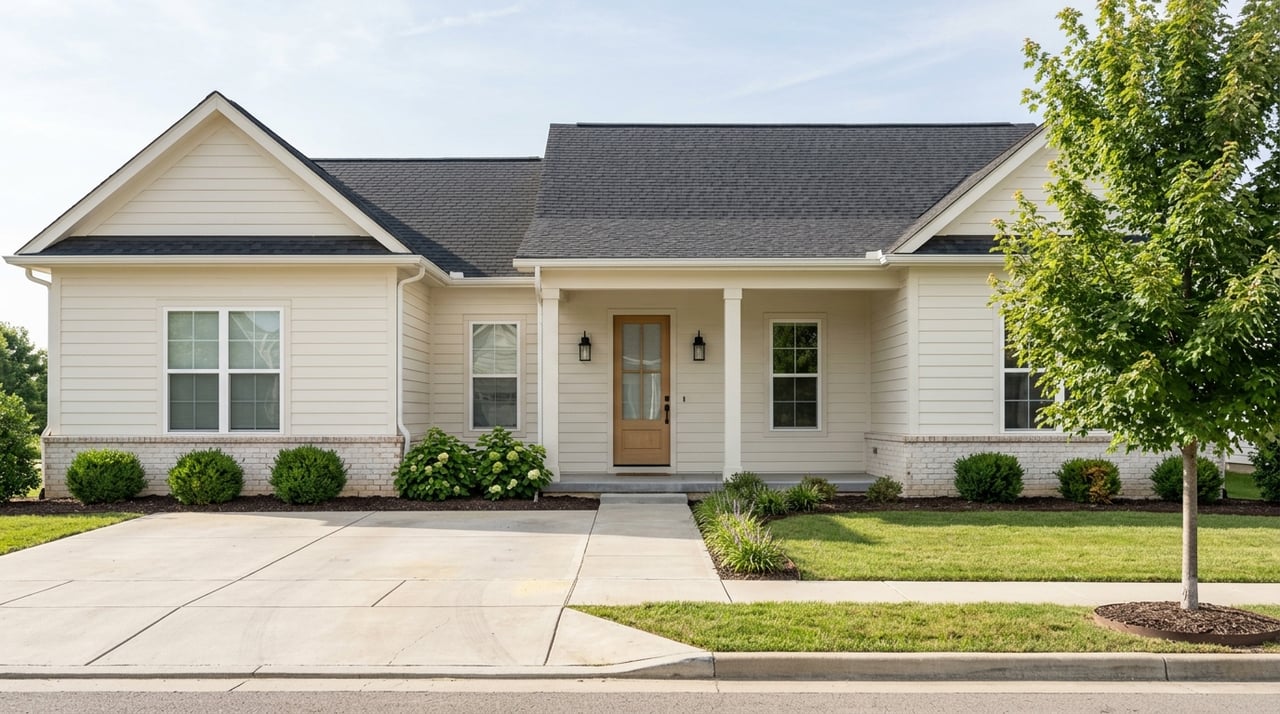
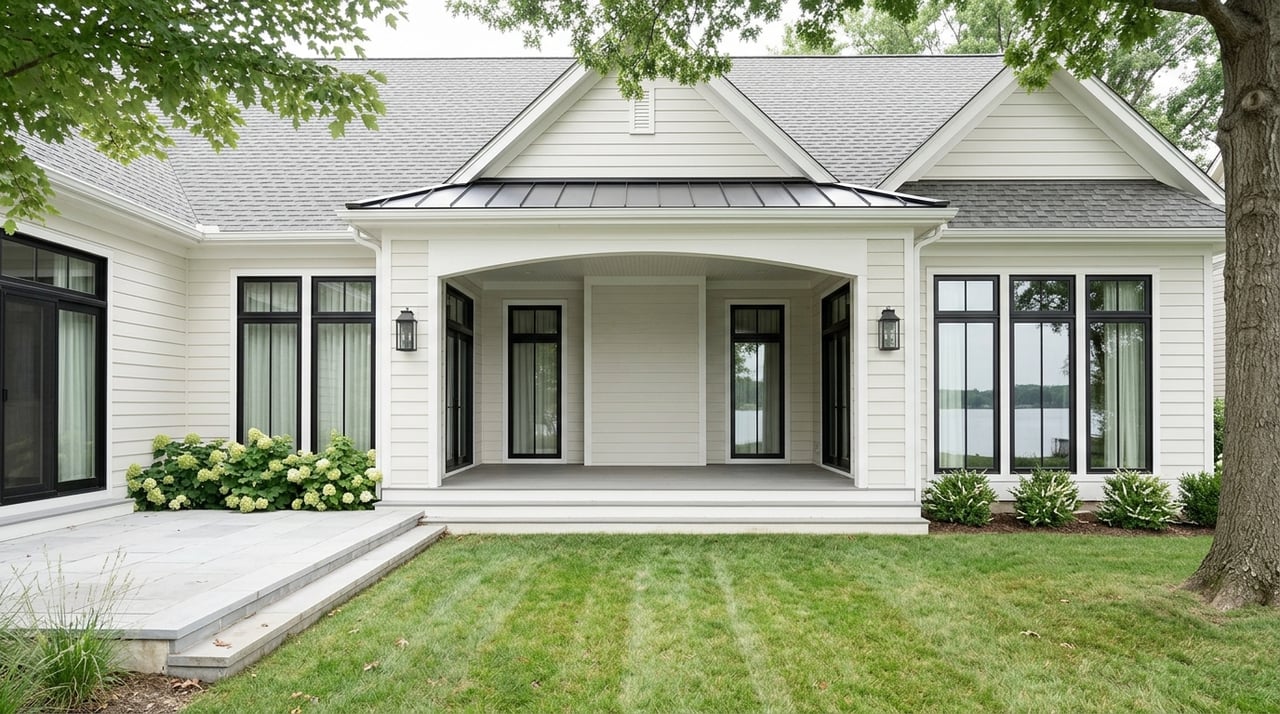
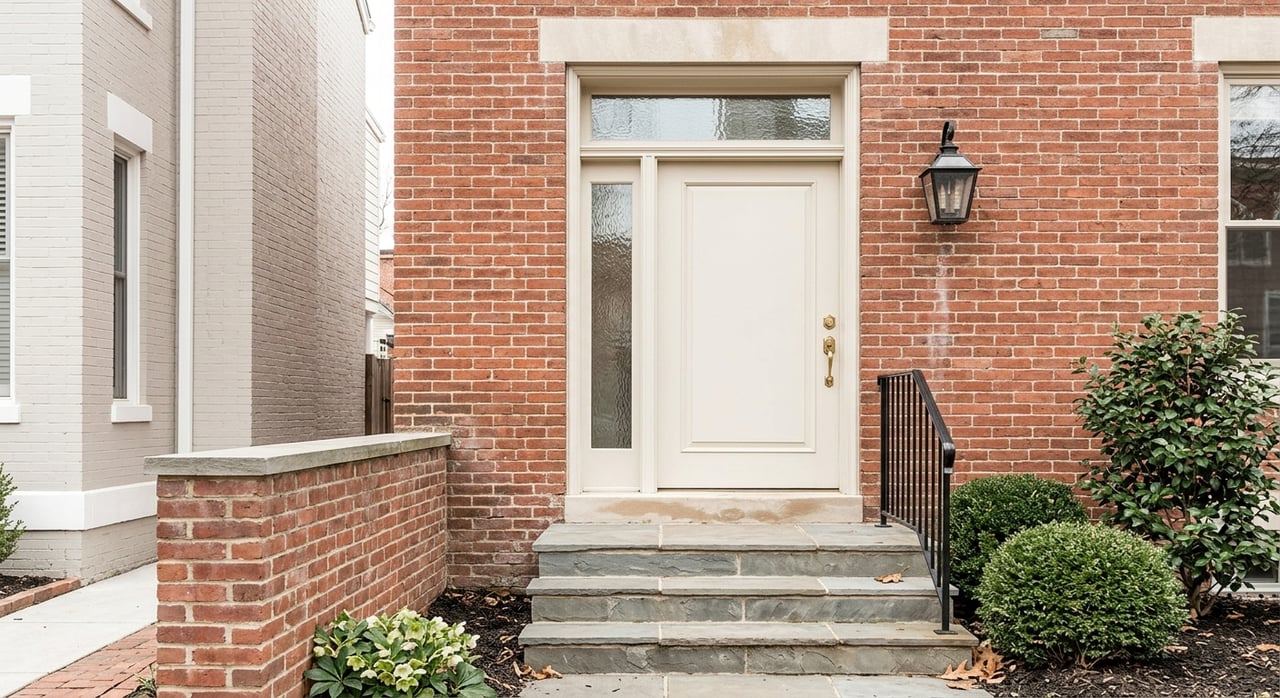
For many Chester sellers, exterior presentation offers some of the safest payoff. National remodeling data summarized by NARI shows that exterior projects led many return-on-investment rankings, including garage doors, entry doors, siding-related improvements, and stone veneer.
You do not need to take on a major exterior project to benefit from that trend. In many cases, simple curb appeal work can improve first impressions and help your home compete for stronger offers.
Easy exterior upgrades that can help
Consider tackling:
- Fresh mulch and trimmed shrubs
- Pressure washing siding, walkways, and porches
- Cleaning gutters and downspouts
- Repainting or touching up the front door
- Replacing dated exterior light fixtures
- Cleaning windows inside and out
- Repairing fence sections or gate hardware
- Patching driveway trouble spots where practical
When buyers pull up to the home, they should feel reassured, not cautious. That first impression can shape how they see everything that follows.
Match your prep to your Chester neighborhood
Not every Chester buyer looks at homes the same way. The strongest prep strategy is often neighborhood-specific, especially in communities where buyers are paying for a certain lifestyle or level of upkeep.
Meadowville Landing: keep it polished and low-maintenance
Meadowville Landing is known for its riverfront setting and amenity-rich, low-maintenance appeal. In that kind of community, buyers are likely to respond best to homes that feel clean, current, and easy to maintain.
If you are selling there, focus on move-in readiness. Clean mechanical areas, tidy storage spaces, fresh finishes, and neat outdoor living areas can reinforce the convenience-oriented feel buyers often expect.
The Highlands: give extra attention outside
The Highlands is closely tied to outdoor living, larger homesites, golf-course surroundings, and community amenities. In that setting, buyers may pay closer attention to landscaping, drainage, decks, porches, windows, and overall exterior care.
If your home is in The Highlands, spend time on the full exterior picture. A beautiful interior may not carry the same weight if the yard looks neglected or the outdoor spaces feel overdue for maintenance.
Stoney Glen and similar HOA areas: maintenance matters
In established HOA communities like Stoney Glen West, visible exterior condition and compliance can carry real weight. Community materials highlight items like faded paint, damaged shutters, rotten wood, driveway problems, leaning fences, mildew, cloudy windows, and standing water.
That is a useful reminder for any seller in a similar neighborhood. Before listing, make sure your home looks cared for from the street and that any exterior changes or conditions are consistent with community expectations.
Do not over-improve
One of the most common mistakes sellers make is spending too much in the wrong places. A large remodel right before listing is not always the best path, especially when lower-cost improvements may do more to improve presentation.
The better approach is usually selective and strategic. Clean, repair, paint, declutter, and improve the exterior first. Then decide whether a targeted update, such as a front door, lighting, or minor kitchen refresh, will add value for your specific home.
Check permits and paperwork before you list
Presentation gets buyers in the door, but paperwork helps keep the deal together. In Virginia, sellers use a Residential Property Disclosure Statement that makes clear buyers are expected to perform their own due diligence.
That does not mean you should ignore known issues. It means you should get organized early so you can respond clearly if questions come up during inspections or contract negotiations.
Review past work now
If you have added or changed major features, make sure you know what was done and whether permits were required. Chesterfield County notes that most structural work requires a permit, while many ordinary cosmetic repairs do not.
For example, painting, replacing carpet, repairing drywall, replacing cabinetry, replacing gutters or downspouts, and replacing windows or doors without structural change generally do not require permits. But decks, porches, and similar outdoor projects often do, and county guidance requires specific plans and details for those projects.
If your home has an addition, deck, porch, or other improvement, gather permit and final inspection records before going live. That step can save time and reduce stress once a buyer starts asking questions.
Consider a pre-list inspection
A pre-list inspection can help you sort cosmetic issues from more serious repair concerns. It also gives you a chance to address problems before a buyer’s inspector finds them.
This can be especially helpful if your home has older systems, drainage concerns, or outdoor structures. It gives you more control over the prep timeline and helps you make informed decisions about what to fix, disclose, or price around.
Plan your timeline backward
Spring is often the strongest selling season, and national 2026 data pointed to mid-April as an especially favorable listing window. But the best launch date only helps if your home is actually ready.
That means your timeline should start with the work, not the listing date. Repairs, cleaning, staging, photography, HOA review if needed, and permit documentation all take time.
A practical pre-list timeline
Here is a simple way to think about it:
| Time Before Listing | Priority |
|---|---|
| 4 to 6 weeks | Walk-through, repair list, vendor scheduling, paperwork review |
| 3 to 4 weeks | Decluttering, paint touch-ups, exterior cleanup, permit gathering |
| 2 weeks | Deep cleaning, staging, final maintenance details |
| 1 week | Photography prep, final curb appeal check, showing readiness |
A calm, organized launch usually shows better than a rushed one. Buyers can often tell the difference.
What top-dollar prep really looks like
In Chester, top-dollar prep usually is not about doing the most. It is about doing the right things in the right order.
That means:
- Decluttering before upgrading
- Fixing visible maintenance issues
- Improving curb appeal early
- Tailoring your prep to your neighborhood
- Verifying permits and records for past work
- Giving yourself enough time before the MLS launch
When your home looks cared for, well presented, and easy to understand, buyers are more likely to respond with confidence.
If you are getting ready to sell in Chester and want a practical plan for what to do first, what to skip, and how to position your home for strong interest, Garner Realty LLC can help you build a smart prep strategy with local insight and full-service support.
FAQs
What should sellers fix before listing a home in Chester, VA?
- Focus first on visible repairs like peeling paint, damaged trim, loose hardware, cloudy windows, gutter issues, mildew, and anything that makes the home feel poorly maintained.
How important is staging when selling a home in Chesterfield County?
- Staging can make a real difference because it helps buyers picture the home as their own, especially in key rooms like the living room, primary bedroom, and dining room.
Do Chester homeowners need permits for repairs before selling?
- Many cosmetic repairs do not require permits in Chesterfield County, but structural work and projects like decks or porches often do, so it is wise to review records before listing.
How long do homes usually take to sell in Chesterfield County?
- Recent market data in Chesterfield County shows many homes going under contract in about 25 to 30 days, though condition, pricing, and presentation still matter.
How should sellers prepare homes in Chester neighborhoods with HOAs?
- In HOA communities, pay close attention to exterior maintenance, overall appearance, and whether past exterior changes followed community review requirements where applicable.